


The War for Survival
4.5110.00 Reviews
App Specs
- Version
- 1.3.270
- Updated On
- License
- Free
- Downloads
- 500,000+
- Developer
- Cosmos game Limited
- Categories
- Strategy
- Platform
- Android
Screenshots
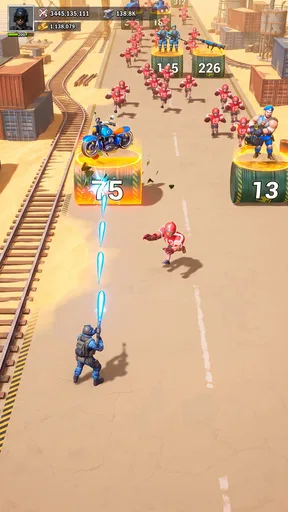
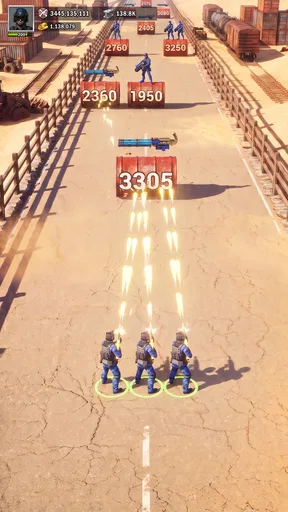
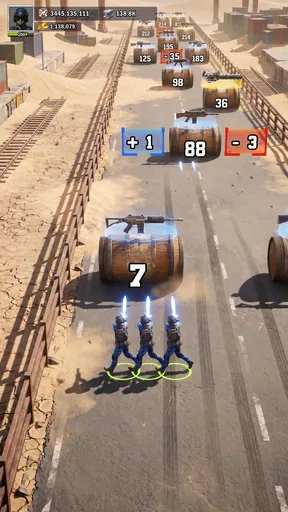
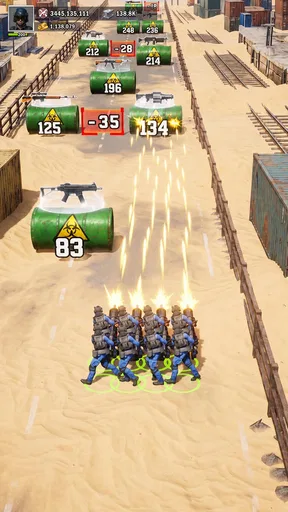
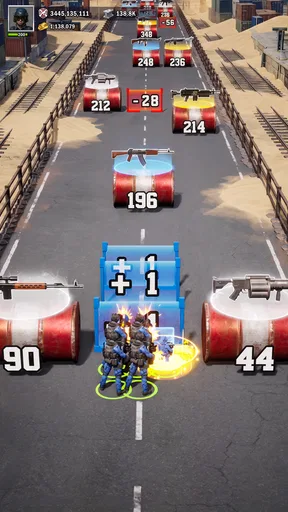
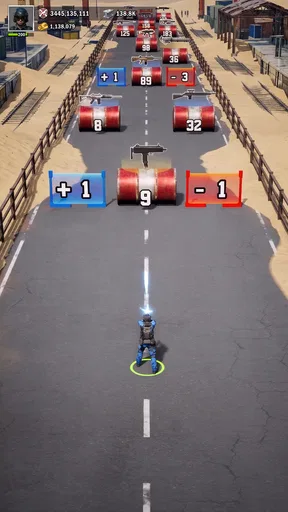
 Analysis by AppCompare
I spent time with The War for Survival as a strategy game, paying particular attention to how comfortably it can be understood and played in different situations. Its central appeal is easy to grasp: survival is treated as an ongoing contest in which each decision matters, and the player is invited to build a personal story rather than simply rush through a fixed sequence of stages. That idea gives the game a more thoughtful tone than a purely reflex-based title.
It is free to download, aimed at Everyone, and developed by Cosmos game Limited. The game has attracted over 500 thousand installs and holds a 4.5 average from around 1.8 thousand ratings, which suggests that the basic concept has found an audience. I would describe it as a reasonable choice for someone who enjoys planning, weighing risks, and returning to a developing survival challenge instead of looking for a quick arcade distraction.
My review focuses on something that is easy to overlook when judging a mobile strategy game: whether the experience remains understandable and manageable for people with different abilities, devices, routines, and levels of concentration. A game can have good ideas and still become tiring if its information is difficult to read, its controls demand too much precision, or its progress is hard to follow after an interruption.
How the game communicates its survival strategy
When I assess how The War for Survival presents its survival strategy, I focus on whether its choices feel understandable rather than merely urgent. A useful way to approach it is to pause at each decision and identify what immediate concern it addresses before considering longer-term goals. That habit makes the game’s central idea easier to follow and sets up a closer look at how its deliberate pace works in everyday play.
Readability and navigation shape the first impression
The first important test for a strategy game is not whether it looks dramatic. It is whether I can tell what deserves my attention. In a survival setting, the player usually has to distinguish urgent problems from long-term goals, and the interface needs to make that relationship understandable. The War for Survival works best when I slow down and treat each screen as a decision board rather than tapping through it like an action game.
I recommend new players take a few minutes to identify the main areas of the interface before trying to optimize anything. Look for the place where current objectives are shown, the area that explains available actions, and the route back to the broader map or management screen. That small orientation step is useful for anyone, but especially for players who find dense game interfaces tiring. It reduces the need to remember where every function lives.
The game’s survival theme can make the information feel more meaningful. Supplies, development choices, and threats are not just disconnected buttons; they are part of a larger question about how long a settlement or group can remain secure. I found that framing helpful because it gave context to decisions that might otherwise feel like routine menu work.
Worth Reading Before You Choose

EA SPORTS FC Mobile 26 Is a Bigger Football Game, but It Takes Time

Flipboard Shows What News Apps Must Do Beyond the Feed

Switching to Android Auto Means Rethinking Your Driving Routine

Google Calendar Makes a Crowded Week Easier to Manage

Ludo King Makes the Most of the Minutes Between Plans

Baby Panda World Brings Quick Play to Modern Phones, but Its Game Library Feels Busy
That said, strategy interfaces can become demanding when several types of information compete for attention. Players with reduced vision, reading difficulties, or limited familiarity with mobile strategy games may need more time to interpret icons and labels. I would not recommend judging the game during a hurried first session. A calm start makes it easier to learn the visual language and notice which elements are genuinely important.
One practical habit helped me: I made a mental distinction between information that changes immediately and information that describes a longer plan. I checked urgent warnings first, then reviewed available improvements, and only afterward considered optional actions. This workflow prevents the common mistake of spending attention on attractive upgrades while overlooking a more pressing survival concern.
Motor and sensory demands are easier to manage than reflex games
The War for Survival belongs to the strategy category, so its main challenge is decision-making rather than rapid physical reaction. That is an advantage for players who prefer deliberate interaction or who find fast action games uncomfortable. You can approach a choice, pause, consider the consequences, and then commit instead of relying on split-second timing.
For players with limited fine-motor control, the experience may still depend on accurate taps. Mobile strategy games often place several interactive elements close together, and a mistaken selection can be frustrating when the player intended to inspect something else. I suggest holding the phone steadily, using a larger display when available, and avoiding play while walking or riding in a moving vehicle. Those are simple adjustments, but they can make the difference between thoughtful play and repeated mis-taps.
People sensitive to visual motion, contrast, or busy screens should also pay attention to how they feel during longer sessions. The survival atmosphere benefits from a sense of pressure, but sustained visual concentration can become tiring. I found shorter sessions more comfortable than trying to make one long sitting do all the work. This is also a good approach for younger players, who may enjoy the planning without needing extended exposure.
Sound is another personal consideration. Some players use audio cues to understand what is happening, while others play with sound off because they are in a shared room, at work, or sensitive to repeated effects. The game should not be treated as something that requires one particular sensory channel for every decision. Still, anyone who depends heavily on audio alone may find a visual strategy interface less convenient than a game designed around spoken guidance.
The most useful motor tip I can offer is to avoid tapping immediately after opening a new screen. Give the page a moment to settle, read the available choices, and then make one deliberate selection. That habit is especially valuable when a player has tremors, uses one hand, or plays on a smaller phone. It also improves accuracy for everyone because strategy mistakes are often caused by haste rather than poor planning.
Situational access matters as much as personal ability
A game can be comfortable in a quiet room and awkward everywhere else. I tested the experience mentally against ordinary situations: playing during a short break, checking progress with one hand, returning after being interrupted, and trying to understand a decision while other people were talking nearby. The War for Survival suits players who can give it focused attention, even if that attention comes in brief periods.
It is a good fit for a commuter who wants a planning game rather than an action game, provided the player has a stable connection and enough screen visibility to make careful selections. It is less suitable when the phone is constantly moving or when the player only has a few seconds at a time. A survival strategy choice usually benefits from context, and rushing through it can make the game feel more confusing than it really is.
Short, repeatable routines are helpful. I would begin by checking the current situation, reviewing the most immediate risk, choosing one priority, and then stopping once that decision is complete. This creates a natural session boundary and makes the game easier to fit around work, study, caregiving, or fluctuating energy levels. It also prevents the feeling that I need to understand every system before I can enjoy the next step.
The Everyone age rating makes the game broadly approachable from a content standpoint, but that does not mean every player will find the interface equally easy. A child may understand the survival idea while still needing help with resource choices or purchase prompts. An older player who enjoys planning may appreciate the slower decision rhythm but need more time to recognize icons and navigate between screens. In both cases, playing together at first can turn the learning curve into part of the experience.
Switching between tasks is another real-world concern. If I leave the game because a message arrives or someone needs my attention, I prefer to return by reviewing the current objective before taking action. That simple reset is more reliable than trying to remember the exact plan from several minutes earlier. Players with memory difficulties may benefit from keeping a brief personal note about their next priority, especially when they play in scattered sessions.
The game is also more approachable when expectations are realistic. It is not the best choice for a player who wants immediate rewards after every tap. Its appeal comes from seeing how decisions affect continued survival, so the satisfying moments are tied to planning and adaptation. Someone looking for a two-minute reflex challenge would probably be happier with a simpler arcade title.
Where the experience still creates barriers
The biggest barrier is the general complexity that comes with survival strategy. Even when individual actions are simple, the player may need to connect several pieces of information before choosing wisely. That can be rewarding for experienced strategy fans, but intimidating for newcomers or anyone dealing with fatigue, attention limits, or language-related reading challenges.
Free access also deserves a careful look. The game can be played without an upfront purchase, while optional in-app items range from $0.99 to $99.99 each. That wide range means families should discuss spending before handing the device to a child, and players who prefer a completely predictable budget may feel more comfortable with a premium game that charges once. I consider this one of the most important practical differences between the title and paid alternatives.
Purchases can also affect the feeling of fairness, even when a player never spends money. If progress begins to feel slower than expected, the presence of optional items may make the experience less relaxing. My advice is to decide in advance whether you will spend anything and treat that decision as part of your play style, not as a response to a moment of frustration. This keeps the game’s strategic choices separate from impulse buying.
Device requirements matter too. The current version is 1.3.260 and requires at least iOS or Android 12. Players using older phones or tablets should check compatibility before planning to make the game a regular part of their routine. A larger, newer device may also provide a more comfortable reading experience than a small screen, particularly for users who enlarge text elsewhere or struggle with tightly packed controls.
Another limitation is that deliberate strategy is not automatically accessible strategy. Pausing to think helps, but it does not solve every issue. If a player cannot comfortably distinguish interface elements, interpret the available information, or make accurate taps, the slower pace only gives more time to notice the difficulty. I would encourage prospective players to treat the first session as a practical test of comfort rather than assuming the genre alone guarantees ease of use.
Players who need strong customization, extensive assistive options, or highly explicit onboarding may prefer a title that advertises those tools directly. I would also steer away from this game if you dislike resource management, recurring decisions, or the possibility that a poor choice changes the shape of later play. Its survival theme is not just decoration; it asks you to live with consequences.
Who will get the most from this particular game
I think the strongest audience is made up of mobile players who enjoy strategic pressure without demanding fast reflexes. If you like examining a situation, selecting a priority, and watching a longer plan develop, the survival setting gives those choices a clear purpose. The game is also a reasonable introduction to the genre for someone who is curious about strategy but does not want a competitive action title.
It works well for a player who enjoys discussing decisions with a friend or family member. One person can explain why a certain option seems safer while the other notices a different risk. That kind of shared conversation can make the interface easier to learn and can help younger or less experienced players understand that not every decision has an obvious answer.
It is less convincing for people who want a self-contained story with a guaranteed ending, a purely offline pastime, or a game that never presents optional spending. It may also disappoint players who prefer direct control over characters rather than broader survival planning. Those are not flaws in the concept so much as signs that the game is aimed at a particular kind of attention.
Compared with casual puzzle games, The War for Survival asks for more commitment and gives less instant closure. Compared with fast tactical games, it is more approachable for players who dislike rapid reactions, but it may feel less exciting to someone who wants constant action. Compared with premium strategy games, the free entry point is inviting, yet the optional purchase range makes budgeting more important.
For a realistic everyday example, imagine having half an hour after dinner while your phone is charging nearby. I would open the game, review the current situation, choose one major objective, and stop after completing that small planning cycle. That approach makes the title feel manageable and avoids turning a relaxing session into a long attempt to solve everything at once.
My inclusive verdict after using it
The War for Survival is a thoughtful free strategy game with a clear survival identity and a slower decision rhythm that can suit players who do not enjoy reflex-heavy mobile games. Its broad age rating and accessible price of entry make it easy to try, while its 4.5 average and growing audience indicate that the core experience has connected with many players.
My recommendation comes with conditions. Use a compatible device, give yourself a quiet first session, and learn the navigation before trying to optimize every decision. If reading small interface elements or making precise taps is difficult, a larger screen and a steady two-handed setup may help. If spending is a concern, set a firm boundary before playing because optional items can cost from $0.99 to $99.99 per item.
The game is most inclusive when you treat it as a deliberate planning experience rather than a test of speed. That approach supports players who need more time, prefer short sessions, or want to return after interruptions. It does not remove every barrier, and I would choose another game for highly customized accessibility needs, guaranteed offline simplicity, or a one-time-purchase model.
Overall, Cosmos game Limited has created a survival strategy title I can recommend to friends who enjoy consequences, gradual improvement, and decisions that feel connected to a larger story. I would not call it universally comfortable, but I do think it rewards patient players and offers enough structure to make careful experimentation worthwhile. For me, its best quality is the way it turns a mobile break into a manageable chain of choices: inspect the situation, decide what matters most, and see whether that plan keeps the survival story moving.
Pros
- Tense survival gameplay rewards careful planning and resource management.
- Exploration offers varied locations with useful supplies and hidden dangers.
- Crafting tools and equipment adds depth to everyday survival decisions.
- The post-apocalyptic setting creates a strong sense of atmosphere.
- Progression feels satisfying as your shelter and abilities gradually improve.
Cons
- Some resources can feel scarce
- slowing progress during longer sessions.
- Combat may become repetitive after extended play.
- Frequent danger can make relaxing exploration difficult for some players.
- The interface may take time to learn
- especially for new survival fans.
- Progress can feel grind-heavy when upgrading advanced equipment.
FAQs for The War for Survival
What is The War for Survival about?
The War for Survival is a survival-focused game that combines exploration, resource gathering, base development, and combat. After entering a dangerous world, you must collect materials, improve your equipment, protect your shelter, and deal with hostile enemies or competing players, depending on the game mode. Progress generally depends on planning, upgrading efficiently, and learning how to survive with limited resources.
Can I play The War for Survival offline?
The War for Survival is primarily designed as an online experience, so an active internet connection may be required for important features, account synchronization, events, multiplayer activities, and progress updates. Offline availability can vary by version and device, and some basic menus may open without a connection while gameplay does not function normally. Check the store listing before downloading if offline play is essential.
Is The War for Survival free to download and play?
The game can generally be downloaded without an upfront purchase, but it may include optional in-app purchases. These can provide resources, cosmetic items, time reductions, upgrades, or other advantages, depending on the current version. You can usually progress without spending money, although advancement may take longer. Parents should review purchase settings, especially when the game is installed on a shared device.
Does The War for Survival support multiplayer or team play?
The War for Survival may include online social or competitive elements such as alliances, cooperative objectives, shared events, or battles against other players. These features can make progression more engaging because teamwork helps with protection and resource management. However, multiplayer availability may depend on the server, region, account level, or current game mode. A stable connection is recommended for competitive activities.
What devices are compatible with The War for Survival?
Compatibility depends on the specific Android or iOS version, available storage, operating-system requirements, and the hardware needed to run the game smoothly. Because survival games can use significant graphics and network resources, older phones may experience longer loading times, reduced frame rates, or overheating. Before installing, review the official store requirements and make sure your device has enough free space and an updated system.


